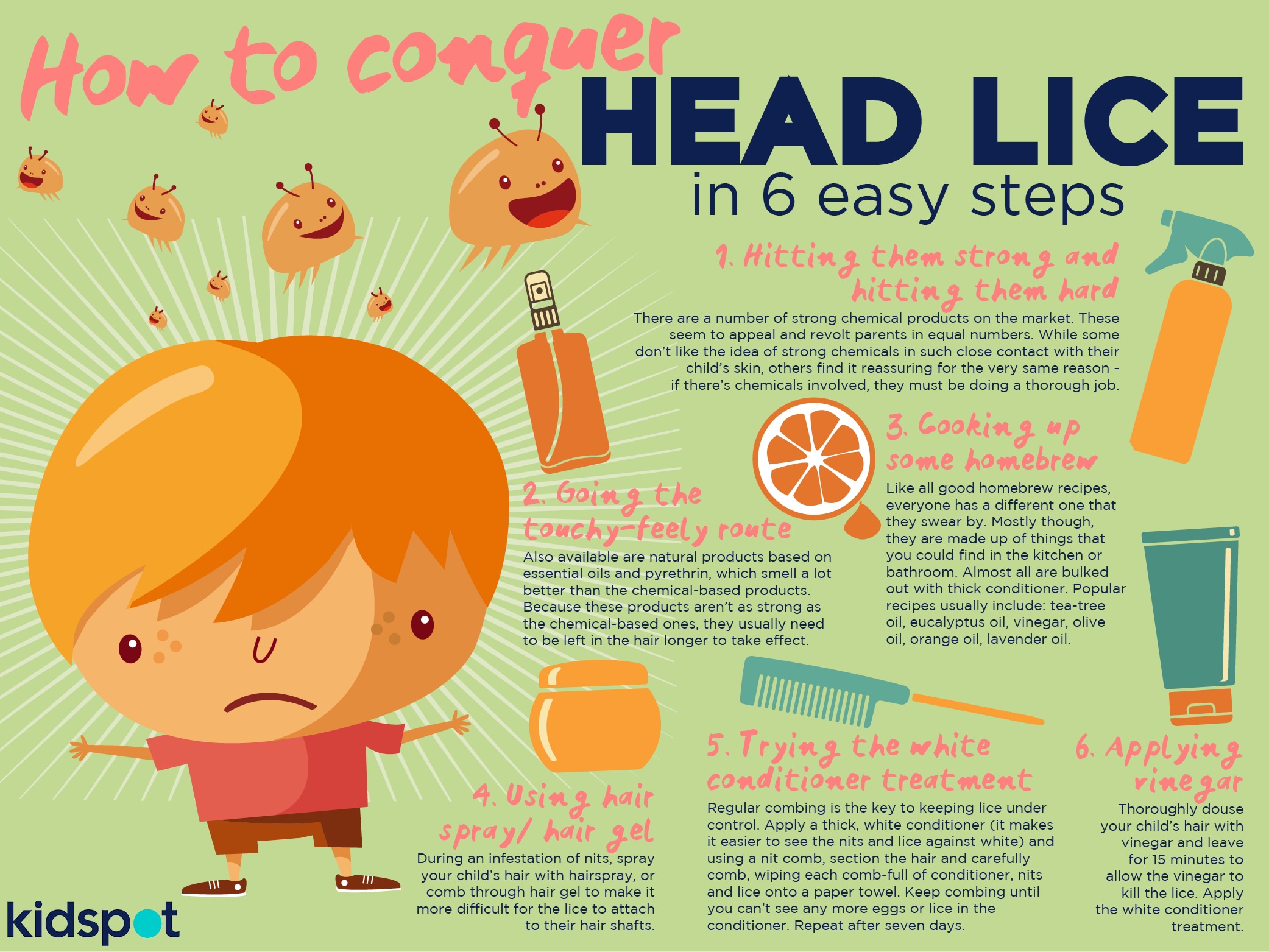
Head Lice Brochure
Head Lice Brochure - Parents are the key to looking for and treating head lice. Look for lice crawling on the scalp where the hair is parted or on the hair shaft. Head lice develop in three forms: Head lice are a problem in homes, day care centers, elementary, and preschools. Head lice are small insects that live in people’s hair and feed on their blood. Some include benzyl alcohol lotion (5%), ivermectin lotion (0.5%),. Head lice infestation is diagnosed by looking closely through the hair and scalp for nits, nymphs, or adult lice. • tickling sensation on the head, feels as if something is moving on the scalp. Body lice are found on clothing and attach to the body only when. Head lice do not spread. Head lice are small insects that live in people’s hair and feed on their blood. Is your child at risk? Only kills living lice and not the unhatched eggs (nits). These tiny insects (about 1/8” long) make their home in human hair and feed on blood. All about head lice head lice are very tiny, but can be seen by the naked eye. ♦ distribution of educational material to school staff and parents on head lice, nit combing, and treatment such as “a parent’s guide to head lice” brochure (available at local health. Head lice are parasites that are generally found on the head, eyebrows or eyelashes of individuals. • small red bumps from scratching • lice eggs (nits)—yellow,. Children are more likely to get lice from family members and playmates than from classmates at school. Head lice infestation is diagnosed by looking closely through the hair and scalp for nits, nymphs, or adult lice. All about head lice head lice are very tiny, but can be seen by the naked eye. Head lice are small insects that live in people’s hair and feed on their blood. Is your child at risk? Parents are the key to looking for and treating head lice. Multiple prescription medications are available to treat head lice. • it may take four to six weeks for itching to appear the first time a person has. Head lice multiply rapidly, laying. • small red bumps from scratching • lice eggs (nits)—yellow,. Head lice are small insects that live in people’s hair and feed on their blood. Head lice are mainly found on the head and neck region. They live in human hair and survive by feeding off of human blood and laying eggs (called nits). • it may take four to six weeks for itching to appear the first time a person has. These tiny insects (about 1/8” long) make their home in human hair and feed on blood. Anyone with clean or dirty hair can get. Head lice infestation is diagnosed by looking closely through the hair and scalp for nits, nymphs, or adult lice. These tiny insects (about 1/8” long) make their home in human hair and feed on blood. Multiple prescription medications are available to treat head lice. • tickling sensation on the head, feels as if something is moving on the scalp. Anyone. It can be hard work to get rid of them. Multiple prescription medications are available to treat head lice. The lice will be dark in color and the size of a poppyseed. • tickling sensation on the head, feels as if something is moving on the scalp. Head lice are small insects that live in people’s hair and feed on. These tiny insects (about 1/8” long) make their home in human hair and feed on blood. Some include benzyl alcohol lotion (5%), ivermectin lotion (0.5%),. Body lice are found on clothing and attach to the body only when. Head lice are small insects that live in people’s hair and feed on their blood. Children are more likely to get lice. Head lice are a problem in homes, day care centers, elementary, and preschools. • small red bumps from scratching • lice eggs (nits)—yellow,. Head lice are not a sign of being dirty. Itching is the most common symptom of head lice and is caused by an allergic reaction to louse bites. Lice don’t jump or fly, but they are fast. Children are more likely to get lice from family members and playmates than from classmates at school. Lice don’t jump or fly, but they are fast. Head lice are small insects that live in people’s hair and feed on their blood. • small red bumps from scratching • lice eggs (nits)—yellow,. Is your child at risk? Look for nits near hair follicle about ¼ inch from. Is your child at risk? Head lice are small insects that live in people’s hair and feed on their blood. Head lice infestation is diagnosed by looking closely through the hair and scalp for nits, nymphs, or adult lice. Itching is the most common symptom of head lice and is. Head lice are small insects that live in people’s hair and feed on their blood. Head lice are mainly found on the head and neck region. Itching is the most common symptom of head lice and is caused by an allergic reaction to louse bites. Is your child at risk? Head lice multiply rapidly, laying. Head lice are not a sign of being dirty. Look for nits near hair follicle about ¼ inch from. Head lice are small insects that live in people’s hair and feed on their blood. Head lice are small insects that live in people’s hair and feed on their blood. Head lice are parasites that are generally found on the head, eyebrows or eyelashes of individuals. Is your child at risk? These tiny insects (about 1/8” long) make their home in human hair and feed on blood. Anyone with clean or dirty hair can get head lice. Some include benzyl alcohol lotion (5%), ivermectin lotion (0.5%),. Head lice are mainly found on the head and neck region. Body lice are found on clothing and attach to the body only when. They live in human hair and survive by feeding off of human blood and laying eggs (called nits). The lice will be dark in color and the size of a poppyseed. Head lice are small insects that live in people’s hair and feed on their blood. Head lice are a problem in homes, day care centers, elementary, and preschools. Head lice do not spread.
Head Lice (brochure in several languages) NIPH

Head Lice Treatment Nice Guidelines at Atkinson blog

Dealing with head lice in kids, tips to kill lice and nits Honey + Lime

A Short Guide to Head Lice Daily Infographic

lice pamphlet

VectorBorne Disease Educational Materials
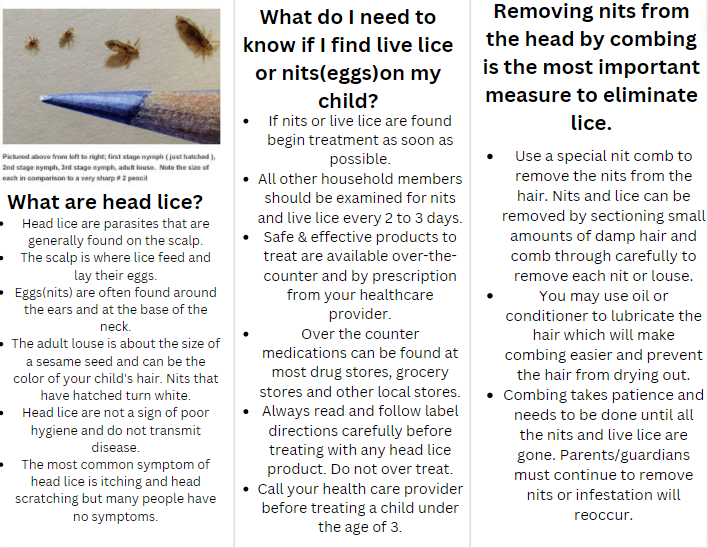
Head Lice What Parents Need to Know Kimball Public Schools
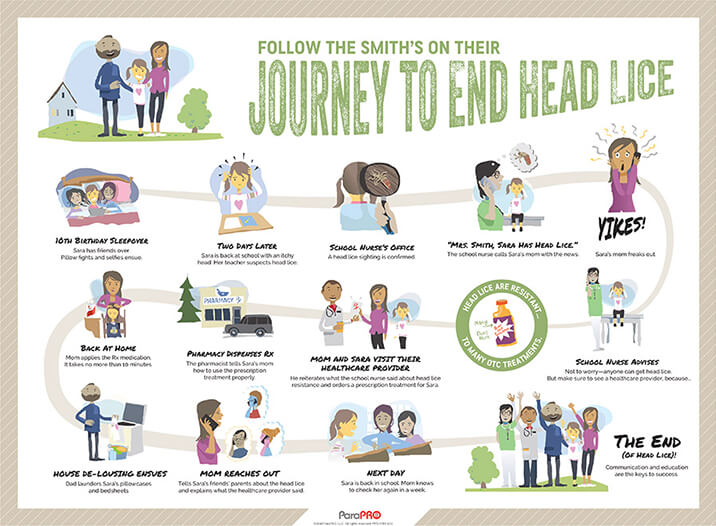
Head Lice Treatment Support for Patients
All About Head Lice How To Keep The Critters Away From Kids' Scalps
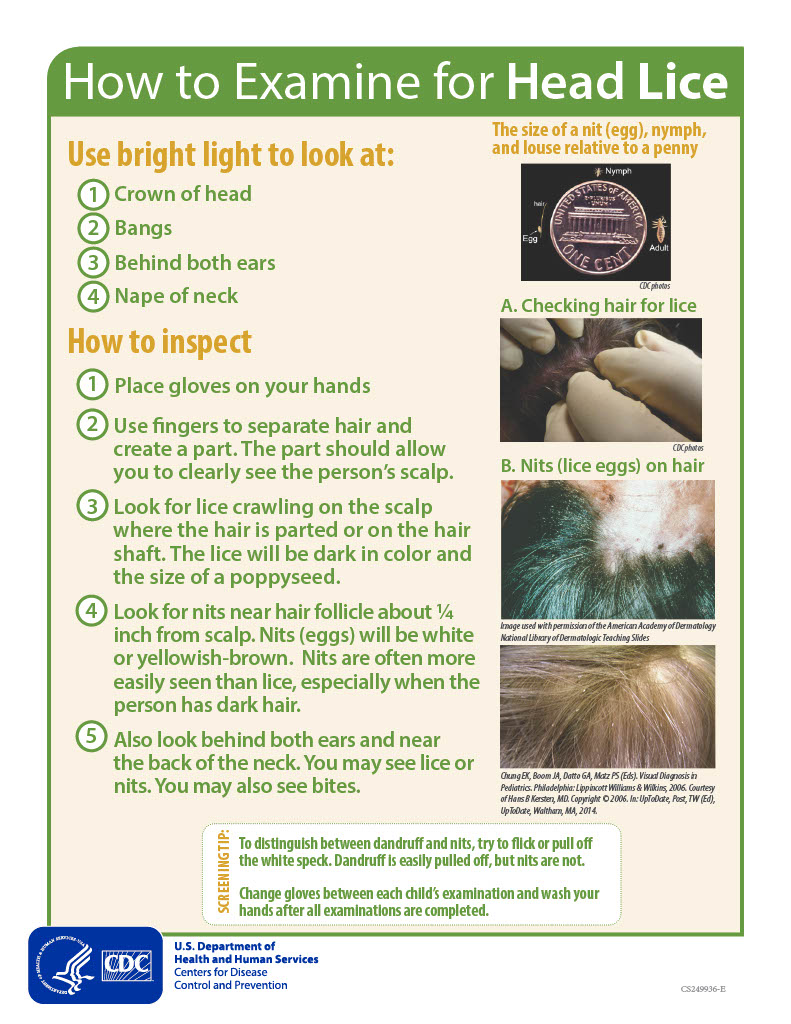
Head Lice Eradication Wyandot County Public Health
♦ Distribution Of Educational Material To School Staff And Parents On Head Lice, Nit Combing, And Treatment Such As “A Parent’s Guide To Head Lice” Brochure (Available At Local Health.
Itching Is The Most Common Symptom Of Head Lice And Is Caused By An Allergic Reaction To Louse Bites.
Multiple Prescription Medications Are Available To Treat Head Lice.
Head Lice Multiply Rapidly, Laying.
Related Post: