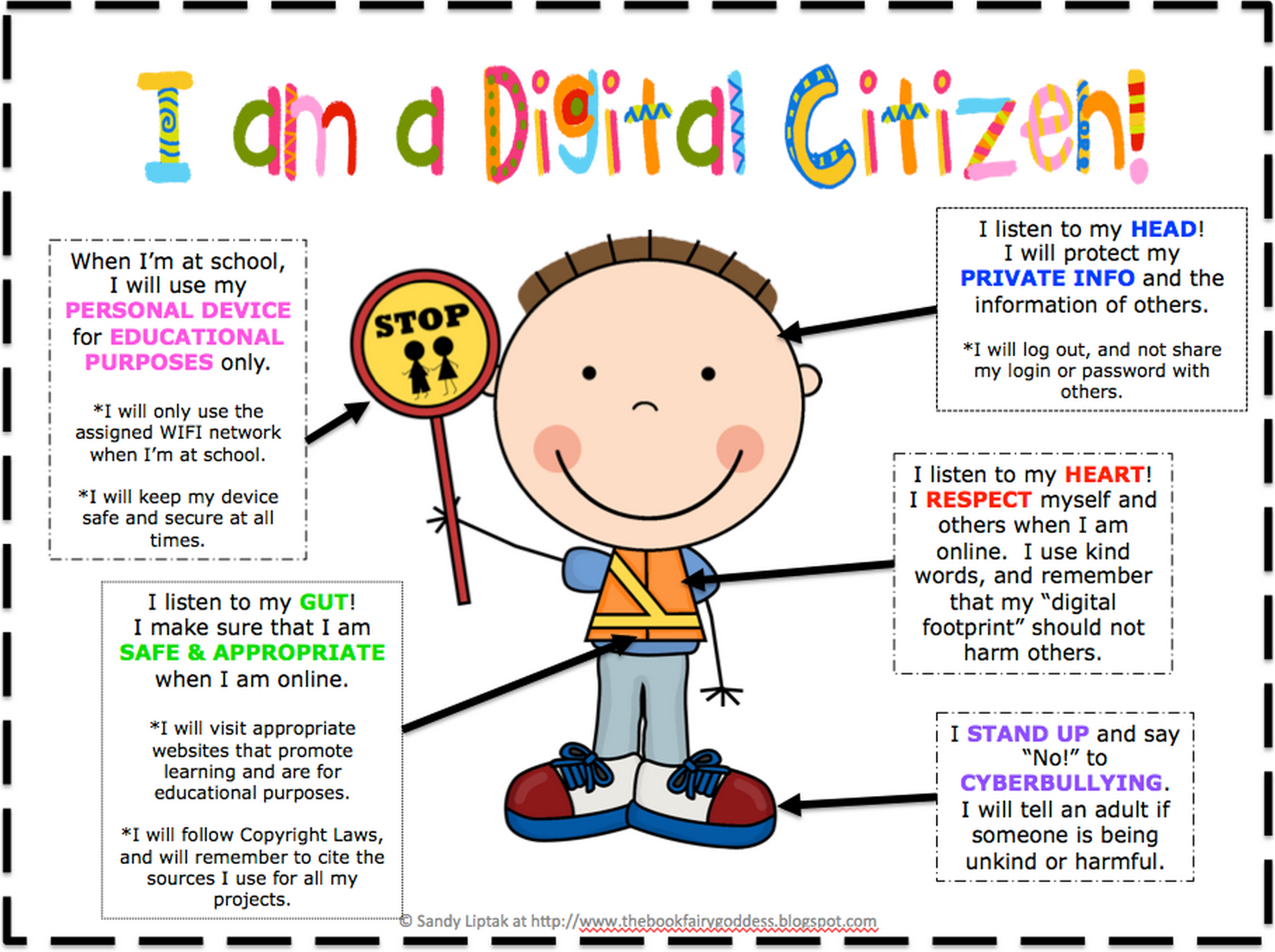
Digital Citizenship Brochure
Digital Citizenship Brochure - By teaching digital citizenship skills, educators can help students use digital tools effectively, communicate respectfully, and protect their privacy and security online. It involves understanding how to use technology responsibly, ethically, and safely. It can be used for 3rd grade on up to 6th grade. The curriculum's 13 lessons are comprised of 5 key digital citizenship domains: Looking for a no prep way to explore digital citizenship? Microsoft offers a collections of materials in its digital citizenship in action: Digital citizenship helps young people develop a sense of ownership and personal responsibility that, in turn, will help them make appropriate, ethical decisions in the online world. This project provides students with the opportunity to have candid discussions about building healthy digital habits and then using that. All of the brochures, factsheets and tip cards in the digital citizenship toolkit All students engage, practicing critical digital citizenship skills — researching, investigating, and actively posting and sharing to the classroom learning experience as a basis for classroom. All of the brochures, factsheets and tip cards in the digital citizenship toolkit Digital citizenship helps young people develop a sense of ownership and personal responsibility that, in turn, will help them make appropriate, ethical decisions in the online world. The innovative lessons teach students to think. It involves understanding how to use technology responsibly, ethically, and safely. The european year of digital citizenship education 2025 is a call to empower every learner with the ability to flourish in the digital era—not merely through competences, but. This project provides students with the opportunity to have candid discussions about building healthy digital habits and then using that. Looking for a no prep way to explore digital citizenship? The curriculum's 13 lessons are comprised of 5 key digital citizenship domains: The brochure addresses topics including copyright,. Teach the 9 elements to enhance students’ safety, creativity and empathy 4 by mike ribble when i wrote my first book,. It can be used for 3rd grade on up to 6th grade. All students engage, practicing critical digital citizenship skills — researching, investigating, and actively posting and sharing to the classroom learning experience as a basis for classroom. All of the brochures, factsheets and tip cards in the digital citizenship toolkit The toolkit includes all the elements needed to teach. The curriculum's 13 lessons are comprised of 5 key digital citizenship domains: By teaching digital citizenship skills, educators can help students use digital tools effectively, communicate respectfully, and protect their privacy and security online. Designed for elementary students, this brochure introduces students and families to the 9 elements of digital citizenship (based on mike ribble's digital citizenship in schools). Looking. All students engage, practicing critical digital citizenship skills — researching, investigating, and actively posting and sharing to the classroom learning experience as a basis for classroom. It can be used for 3rd grade on up to 6th grade. By teaching digital citizenship skills, educators can help students use digital tools effectively, communicate respectfully, and protect their privacy and security online.. The brochure addresses topics including copyright,. It involves understanding how to use technology responsibly, ethically, and safely. All of the brochures, factsheets and tip cards in the digital citizenship toolkit This project provides students with the opportunity to have candid discussions about building healthy digital habits and then using that. A guide to education & events toolkit. The toolkit includes all the elements needed to teach yourself and help. Digital footprint and reputation management; By teaching digital citizenship skills, educators can help students use digital tools effectively, communicate respectfully, and protect their privacy and security online. The curriculum's 13 lessons are comprised of 5 key digital citizenship domains: It involves understanding how to use technology responsibly, ethically,. Digital footprint and reputation management; It involves understanding how to use technology responsibly, ethically, and safely. Looking for a no prep way to explore digital citizenship? Digital citizenship helps young people develop a sense of ownership and personal responsibility that, in turn, will help them make appropriate, ethical decisions in the online world. A guide to education & events toolkit. Designed for elementary students, this brochure introduces students and families to the 9 elements of digital citizenship (based on mike ribble's digital citizenship in schools). All students engage, practicing critical digital citizenship skills — researching, investigating, and actively posting and sharing to the classroom learning experience as a basis for classroom. The innovative lessons teach students to think. Digital footprint. Digital footprint and reputation management; By teaching digital citizenship skills, educators can help students use digital tools effectively, communicate respectfully, and protect their privacy and security online. The toolkit includes all the elements needed to teach yourself and help. A guide to education & events toolkit. Designed for elementary students, this brochure introduces students and families to the 9 elements. A guide to education & events toolkit. This project provides students with the opportunity to have candid discussions about building healthy digital habits and then using that. All of the brochures, factsheets and tip cards in the digital citizenship toolkit The innovative lessons teach students to think. It involves understanding how to use technology responsibly, ethically, and safely. Microsoft offers a collections of materials in its digital citizenship in action: All of the brochures, factsheets and tip cards in the digital citizenship toolkit It involves understanding how to use technology responsibly, ethically, and safely. Teach the 9 elements to enhance students’ safety, creativity and empathy 4 by mike ribble when i wrote my first book,. The brochure addresses. By teaching digital citizenship skills, educators can help students use digital tools effectively, communicate respectfully, and protect their privacy and security online. This project provides students with the opportunity to have candid discussions about building healthy digital habits and then using that. All of the brochures, factsheets and tip cards in the digital citizenship toolkit A guide to education & events toolkit. It involves understanding how to use technology responsibly, ethically, and safely. Microsoft offers a collections of materials in its digital citizenship in action: Designed for elementary students, this brochure introduces students and families to the 9 elements of digital citizenship (based on mike ribble's digital citizenship in schools). The brochure addresses topics including copyright,. Digital citizenship helps young people develop a sense of ownership and personal responsibility that, in turn, will help them make appropriate, ethical decisions in the online world. Teach the 9 elements to enhance students’ safety, creativity and empathy 4 by mike ribble when i wrote my first book,. Digital footprint and reputation management; Looking for a no prep way to explore digital citizenship? The innovative lessons teach students to think. It can be used for 3rd grade on up to 6th grade.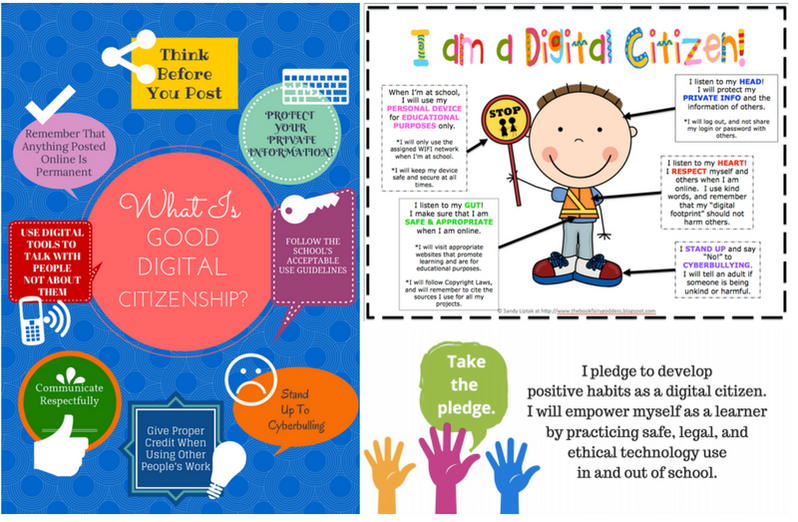
Digital Citizenship N. Lenard, ITC

10 Tips Poster Digital Citizenship
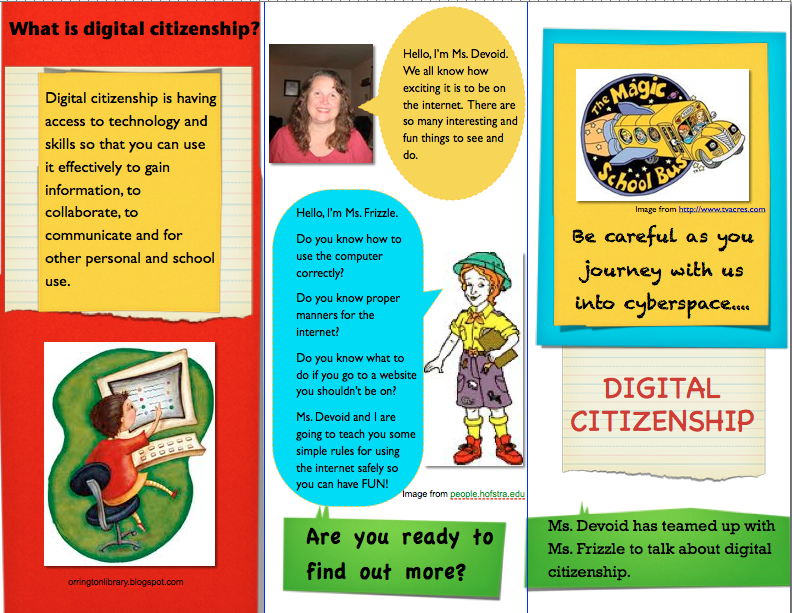
Digital Citizenship Ms Devoid's Learning Website

Digital Citizenship and Online Education Instructional Technology
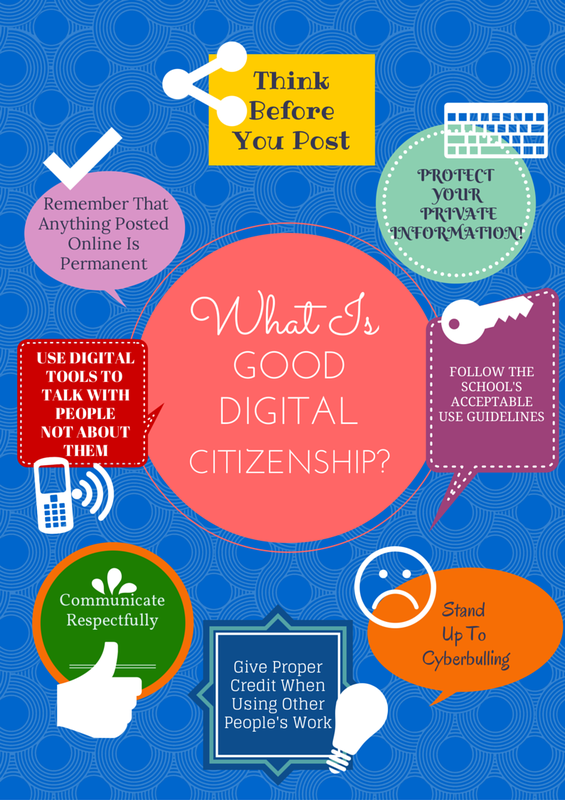
Digital Citizenship Infographic Blogging with Ms. Connolly
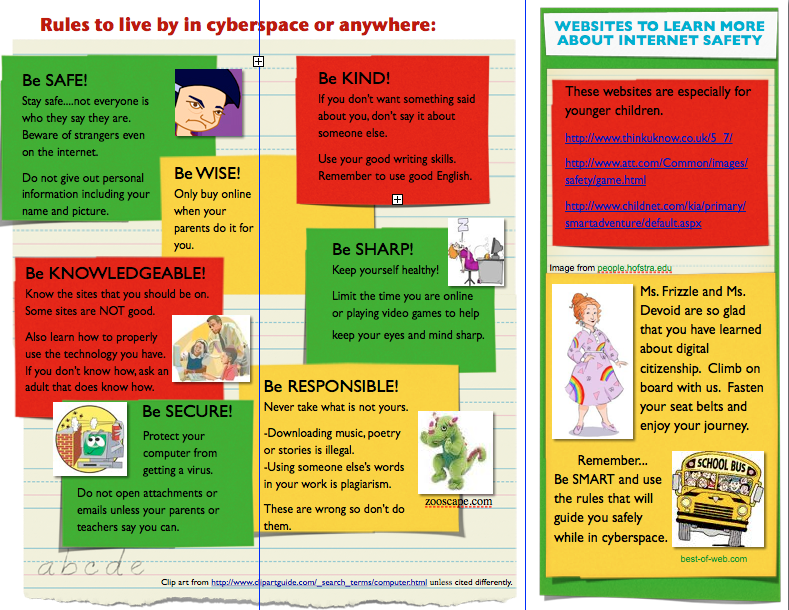
Digital Citizenship Ms Devoid's Learning Website

Digital Citizenship in Action Poster ISTE Digital citizenship
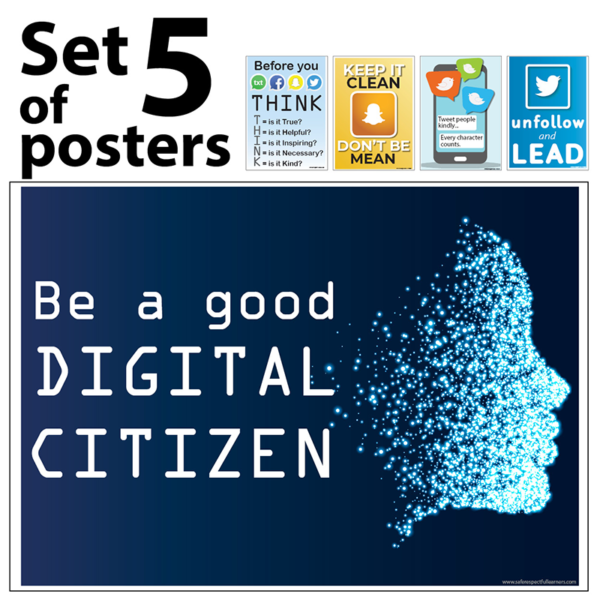
Digital Citizenship Set of 5 Posters Safe Respectful Learners
Digital Citizenship Resources / Digital Citizenship Posters

Free Digital Citizenship Posters for the Classroom EGUSD Digital
The Curriculum's 13 Lessons Are Comprised Of 5 Key Digital Citizenship Domains:
The European Year Of Digital Citizenship Education 2025 Is A Call To Empower Every Learner With The Ability To Flourish In The Digital Era—Not Merely Through Competences, But.
All Students Engage, Practicing Critical Digital Citizenship Skills — Researching, Investigating, And Actively Posting And Sharing To The Classroom Learning Experience As A Basis For Classroom.
The Toolkit Includes All The Elements Needed To Teach Yourself And Help.
Related Post: